
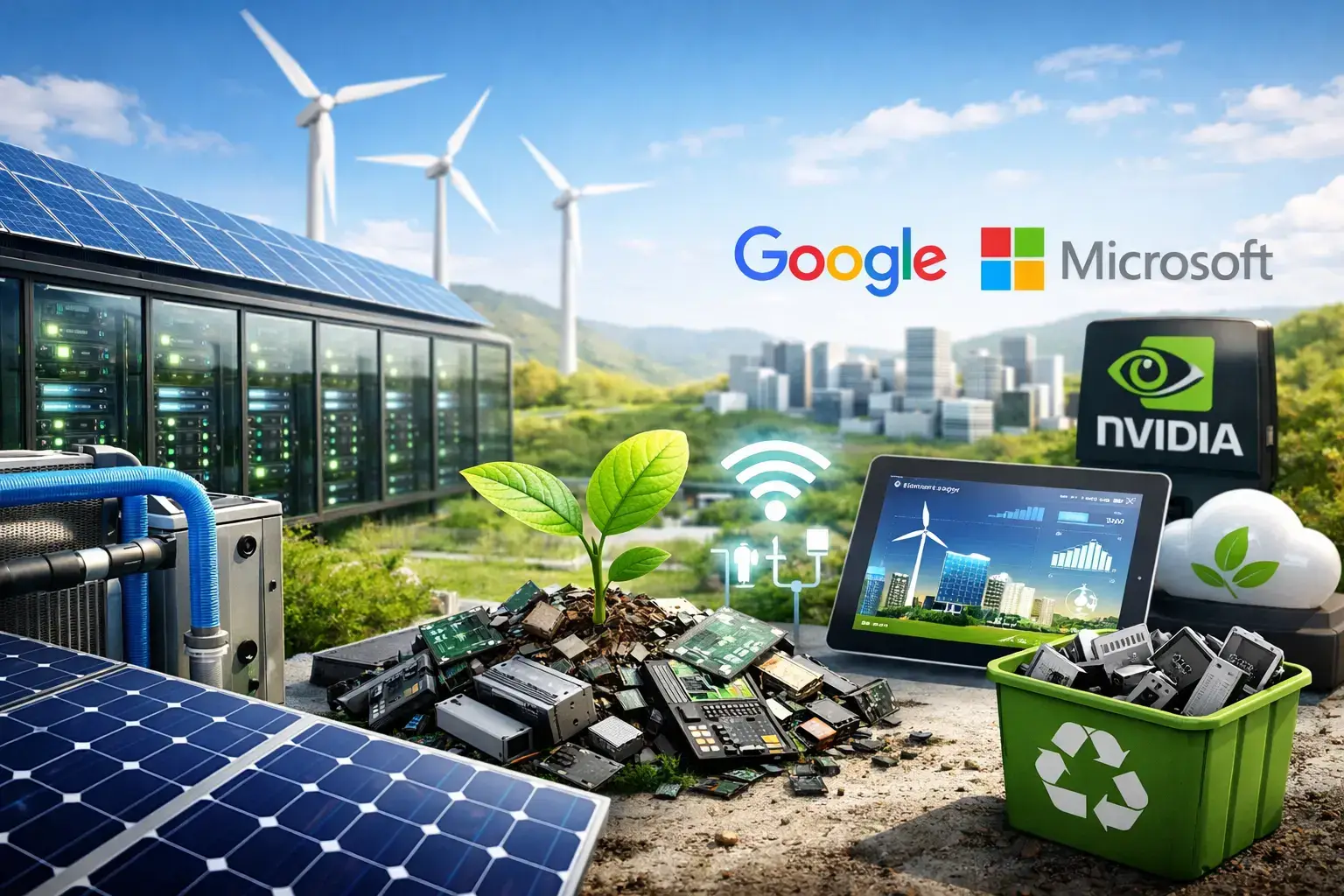
In today’s fast-evolving digital world, Green Technology is no longer a buzzword — it’s the backbone of sustainable transformation. As digital infrastructure grows, so does its environmental footprint. Yet, thanks to Green Technology, sustainability and digital growth are becoming compatible goals. This article explains How Green Technology Is Transforming the Digital Industry by reducing carbon emissions, improving efficiency, and driving innovation across systems that power our online lives.
From smart data centers to AI-enabled energy efficiency, Green Technology is redefining how the digital industry operates while ensuring long-term sustainability.
What Is Green Technology?
Green Technology refers to tools, systems, and practices designed to minimize environmental harm. In the digital industry, this means optimizing energy use, reducing e-waste, and leveraging sustainable innovations that lower the carbon footprint of digital infrastructure.
For the digital industry, Green Technology isn’t just about ecology — it is about smarter, more efficient systems that save money and power growth without harming the planet.
Why Green Technology Matters in the Digital Industry
The digital sector is responsible for a significant share of global emissions. According to industry research, digital operations account for around 3.4% of annual greenhouse gas emissions — from networks, data centers, and device usage.
As demand for digital services grows, so does energy consumption. Green Technology helps turn this challenge into opportunity by prioritizing sustainability in Tech operations and infrastructure.
Key Ways Green Technology Is Transforming Digital Systems
1. Sustainable Data Centers
Data centers are the backbone of Tech operations, powering everything from social platforms to cloud apps. Traditionally, these centers consume massive amounts of energy. But Green Technology innovations are making them cleaner and more efficient by:
- Using renewable energy sources such as solar and wind.
- Advanced cooling techniques like liquid cooling, cutting up to 30% of power needs.
- AI-powered resource management that predicts demand and optimizes energy use in real-time.
Major Tech players are pushing this change, with some reaching 100% renewable electricity in their data centers.
These upgrades don’t just help the planet — they make data centers more responsive, resilient, and cost-effective.
2. AI and Machine Learning for Energy Efficiency
Green Technology combines with AI to improve sustainability across Tech operations:
- AI helps forecast renewable energy availability, matching supply with demand more efficiently.
- Machine learning algorithms now adjust cooling systems and minimize energy waste.
- Digital tools like ChatGPT and Gemini-powered innovations help companies track sustainability metrics and make smarter decisions.
This fusion of Green Technology and AI makes digital systems not only more sustainable but more intelligent.
3. IoT and Smart Infrastructure
The Internet of Things (IoT) plays a central role in the sustainability shift. With nearly 30% of the Green Technology market revenue attributed to IoT, this tech enables:
- Real-time monitoring of energy systems.
- Dynamic optimization of lights, temperature, and performance in tech buildings.
- Better grid management and reduced energy losses.
In smart cities, these sensors and systems save energy, cut costs, and enhance sustainability.
4. Circular Economy & E-Waste Reduction
One of the biggest hurdles in the Tech world is electronic waste (e-waste). Green Technology addresses this through:
- Modular, repairable devices.
- Circular design principles that keep components in use longer.
- Better recycling systems and materials reuse.
This shift toward a circular economy minimizes waste and makes sustainability a core part of product design.
Real-World Examples of Green Technology in Tech
Big Tech’s Sustainability Push
Many large Tech companies are now publicly committed to sustainability goals:
✔ Microsoft plans to be carbon negative by 2030 while sourcing renewable energy globally.
✔ Google aims to use 24/7 carbon-free energy for its data operations.
These strategies show how major digital players are embedding sustainability in their core operations.
Innovations from Collaborative Tech
Collaborations, such as energy-efficient data center designs by Schneider Electric and NVIDIA, exemplify Green Technology in action — cutting cooling energy use and improving Tech infrastructure sustainability.
Benefits of Green Technology in the Digital Industry
Adopting Green Technology delivers measurable benefits:
🌱 Environmental Impact
- Reduces carbon emissions and energy waste.
- Promotes use of clean renewable energy sources.
💡 Operational Efficiency
- Improves performance of data centers, networks, and Tech systems.
- Lowers operational costs over time.
📈 Innovation and Competitive Advantage
- Drives new sustainable products and solutions.
- Supports digital companies in meeting regulatory and ESG goals.
Challenges in Green Tech Adoption
Although Green Technology brings many benefits, transformations aren’t always easy:
- High initial investment costs
- Complex integration with legacy Tech systems
- Variable regulatory environments
However, overall industry sentiment shows sustainable Digital Tech is a long-term economic priority.
Conclusion
Green Technology is transforming the digital industry by embedding sustainability into every layer of modern Tech. From energy-efficient data centers and AI-enabled systems to smart IoT infrastructure and circular design, the digital world is becoming cleaner, smarter, and faster.
As we step into 2026 and beyond, this shift is not just necessary — it’s profitable, innovative, and essential for the planet. Whether you’re a business leader, developer, or curious reader, understanding this transformation helps you stay aligned with global sustainability goals and the future of digital Tech.