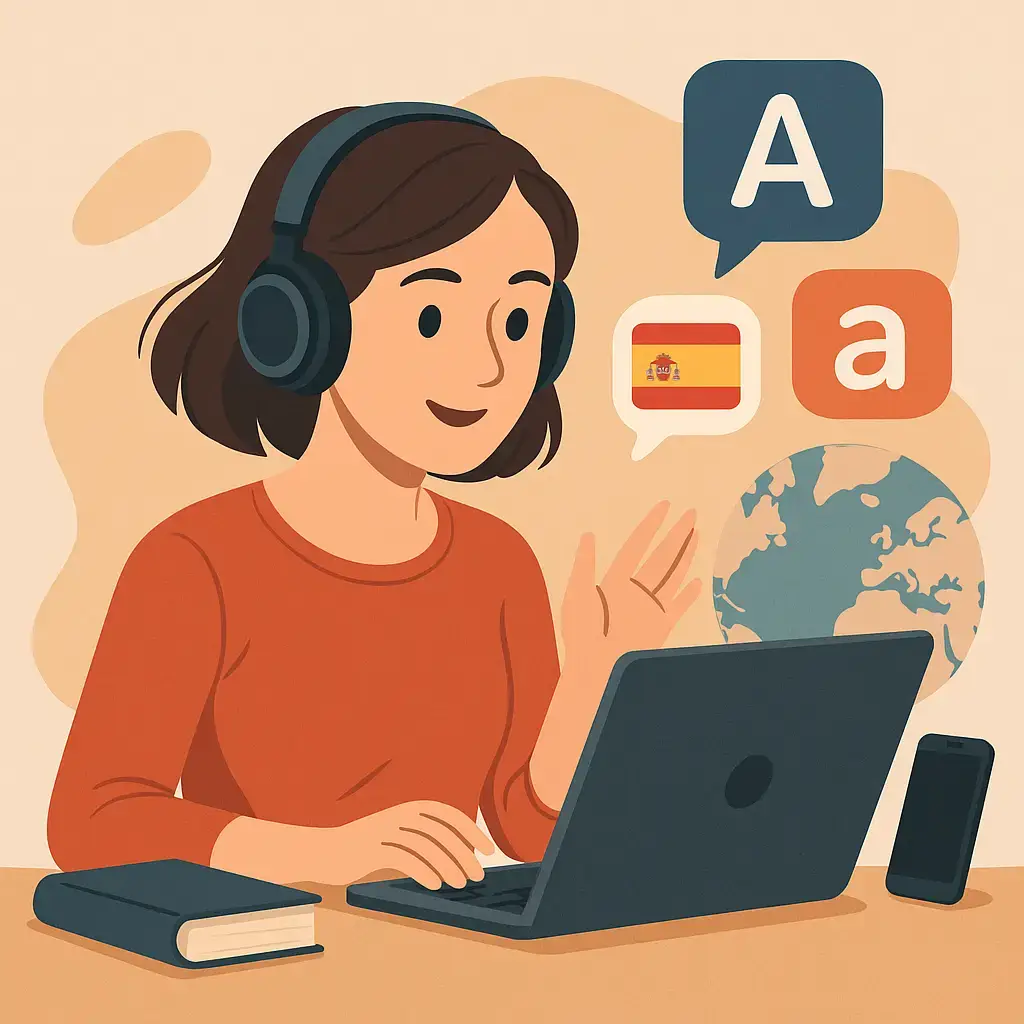
Imagine speaking Spanish confidently on your next trip, or holding a fluent conversation in French—just 30 days after starting. Sounds impossible? With recent advancements in cognitive science, immersive technology, and optimized learning techniques, the 30-day language challenge is no longer just a fantasy.
The Power of Focused Memory Techniques
Accelerated language learning often relies on memory strategies like spaced repetition and mnemonic devices. These techniques strengthen long-term retention by timing information review at scientifically optimized intervals. Apps like Anki and Memrise use this method to reinforce vocabulary and grammar rules efficiently.
Language Apps That Push the Limits
Modern language-learning apps aren’t just convenient—they’re designed with neuroscience in mind. Duolingo uses gamification to make daily learning addictive, while platforms like Babbel focus on real-life dialogue and context to help users absorb language naturally. Coupled with smart notifications and progress tracking, these tools create consistency that leads to results.
The Immersive Advantage
True immersion goes beyond travel. With the right tools, you can mimic the benefits of living in a foreign country without leaving your home. Watching shows in your target language, changing your device’s language settings, and joining conversation exchange platforms like Tandem or HelloTalk can dramatically accelerate fluency by putting your brain in a “language survival” mode.
Can You Really Become Fluent in 30 Days?
It depends on your definition of fluency. While mastering a language fully in one month is unlikely, reaching conversational proficiency is achievable with 2–3 hours of daily practice using a combination of memory science, technology, and immersion techniques.
Final Thoughts
The idea of learning a language in 30 days may sound like clickbait, but with the right approach, it’s surprisingly realistic to make serious progress. Whether you’re prepping for travel, career growth, or personal challenge, the tools and science are on your side. All that’s left is your commitment to speak up—every single day.