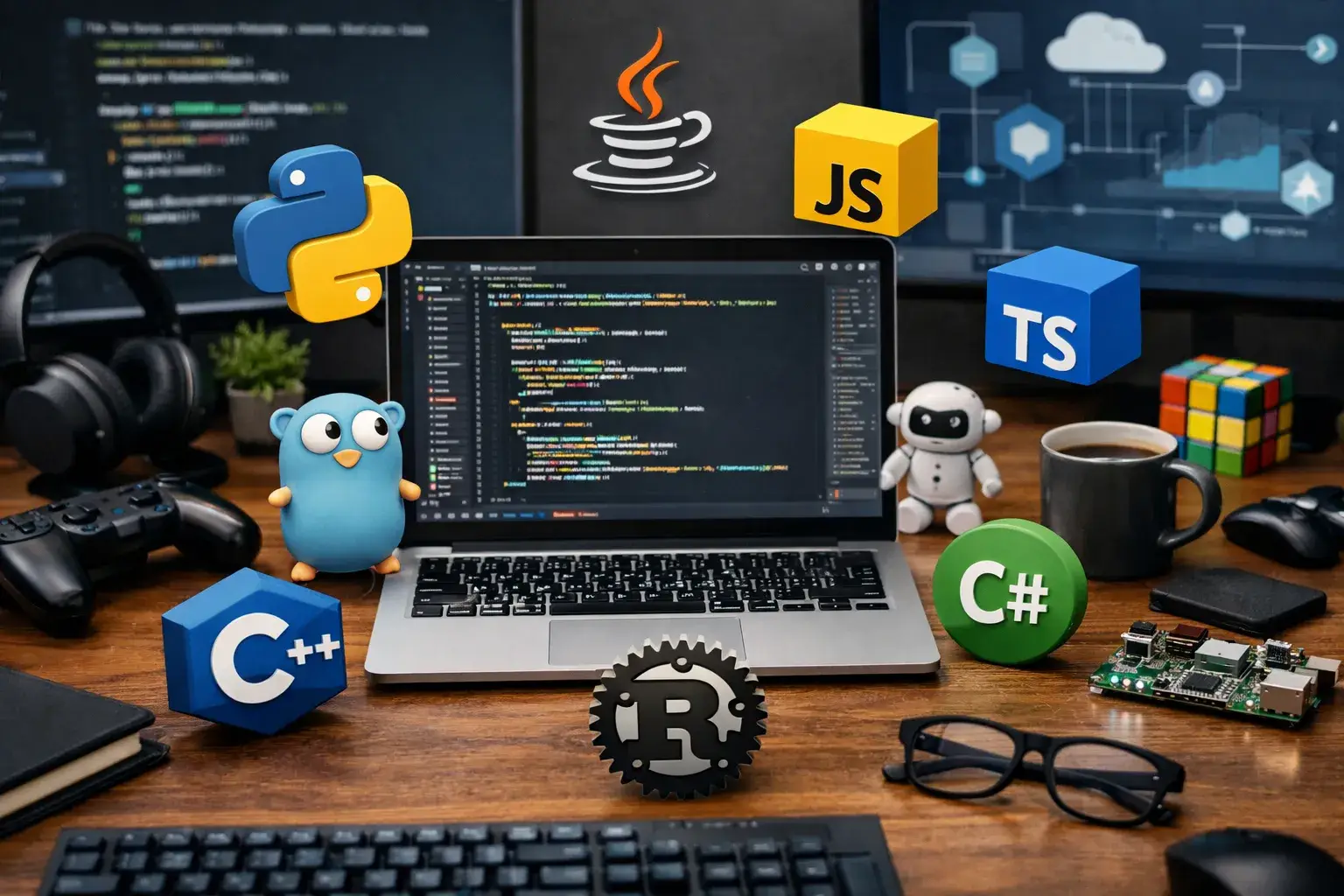
Programming continues to be the backbone of digital innovation. Whether you want to build websites, mobile apps, AI tools, or enterprise systems, choosing the right language matters. In this article, we answer the question “What are the top 10 programming languages?” by using up-to-date statistics, industry insights, and real-world examples. This guide is friendly for beginners and powerful for experienced developers looking to stay ahead.
Why Programming Languages Still Matter
Programming languages are tools that let us communicate instructions to computers. Over time, developers have created hundreds of languages, each designed for specific types of tasks — from web development to artificial intelligence and backend systems.
But not all languages are equally popular or useful today. To answer What are the top 10 programming languages?, we looked at trusted global rankings, industry surveys, and developer data. This helps you understand not just popularity, but real-world demand and practical use cases.
Top 10 Programming Languages — Ranked for 2025
1. Python — #1 Programming Language Worldwide
Python leads all programming languages thanks to its simplicity and versatility. It is especially strong in AI, machine learning, data science, automation, and backend web development. With its clear syntax and huge ecosystem of libraries (like TensorFlow and Pandas), Python continues to dominate global rankings.
Why Python Matters:
- Fast learning curve for beginners
- Extensive libraries for AI and data
- Used in web apps, analytics, and automation
2. Java — Enterprise Classic Language
Java remains one of the most important programming languages, particularly in large systems, Android development, and corporate infrastructure. Its motto, write once, run anywhere, reflects its reliability and cross-platform power.
Key Advantages:
- Strong ecosystem and scalability
- Massive corporate adoption
- Great for backend and Android apps
3. JavaScript — The Web’s Backbone
JavaScript is essential for frontend and increasingly backend programming through frameworks like Node.js. In developer surveys, JavaScript consistently ranks among the most used programming languages for building websites and interactive applications.
Where It’s Used:
- Web design and interactive UI
- Full-stack development with Node.js
- Frontend frameworks (React, Angular)
4. C++ — Power and Speed for Performance
C++ stands out among programming languages for high-performance applications such as game engines, real-time systems, and desktop tools. It still ranks highly in many indexes due to its efficiency and control over system resources.
5. C — The Veteran Language
C remains one of the foundational programming languages. It’s widely used in operating systems, embedded systems, and performance-critical applications where low-level hardware access is essential.
6. C# — Microsoft Ecosystem Favorite
C# is a modern programming language popular for enterprise apps, gaming (with Unity), and desktop applications in the .NET framework. Its design makes object-oriented programming easier and more powerful.
7. Go — Simple and Efficient
Go (also called Golang) combines simplicity with performance and is increasingly used in cloud computing, DevOps tooling, and server-side systems. It’s one of the fastest-growing languages thanks to its concurrency model and clean syntax.
8. PHP — Web Development Veteran
PHP remains widely used for web development, powering a large portion of websites and content management systems. Although its popularity has slightly declined in some rankings, PHP is still relevant and essential in many production environments.
9. Rust — Safe and Modern Systems Language
Rust isn’t always in every ranking’s top 10, but it’s rapidly gaining popularity among developers who value memory safety, speed, and concurrency. In many developer surveys, Rust is praised as one of the most loved programming languages.
10. TypeScript — Typed JavaScript for Modern Apps
TypeScript extends JavaScript with static types, making large codebases easier to write and maintain. While some indexes may not always list it in a classic “top 10,” its adoption in enterprise and frontend frameworks continues to grow strongly.
How These Languages Compare
| Programming Language | Primary Use Cases |
|---|---|
| Python | AI, data science, automation |
| Java | Enterprise systems, Android |
| JavaScript | Web development |
| C++ | Performance systems, gaming |
| C | Low-level systems |
| C# | .NET apps, gaming |
| Go | Cloud, DevOps |
| PHP | Web backend |
| Rust | Systems programming |
| TypeScript | Scalable web apps |
How to Choose From These Programming Languages
Selecting from the top 10 programming languages depends on your goals:
- Beginners: Python or JavaScript are strong starting points
- Web Developers: JavaScript, PHP, or TypeScript
- Enterprise or Android: Java or C#
- Systems/Performance: C++ or Rust
- Cloud & Tools: Go
How AI Tools Affect Programming Languages
Today, tools like ChatGPT are helping developers learn and write code faster. For example, ChatGPT can assist in writing Python scripts, debugging Java code, or explaining complex concepts in simple terms. Using AI tools effectively can enhance your programming journey regardless of the language you choose.
Conclusion
As we’ve answered throughout this guide, the top 10 programming languages are a mix of powerful, versatile, and widely used tools that shape today’s tech landscape. Python leads overall popularity, followed by Java and other essential languages like JavaScript, C++, and PHP. Your best learning path should depend on your interests — whether it’s AI, web development, games, or systems programming.
Keep exploring these languages, and make sure to use available resources, coding communities, and AI tools to grow your skills in the ever-evolving world of programming.